
Fast charging is now standard in modern electronic devices, electric motorcycles, and electric vehicles. As charging speeds increase, many users ask, does fast charging damage your battery, especially because battery replacement is costly and battery lifespan affects overall device value.
Fast charging delivers higher electrical current in a shorter time, which raises internal heat and accelerates chemical aging inside lithium-based batteries. However, fast charging does not automatically shorten battery life. Battery health depends on charging control, battery chemistry, operating temperature, and user habits. When voltage, current, and heat are properly managed within design limits, fast charging remains safe and reliable.
Key Takeaways
- Fast charging does not damage a battery when the charging system, battery chemistry, and Battery Management System (BMS) operate within designed limits.
- Heat is the enemy, not Speed: Fast charging increases heat, which degrades lithium-ion cells over time.
- A Battery Management System (BMS) regulates voltage, current, and temperature, which prevents unsafe fast charging conditions.
- Electric motorcycles benefit from battery swapping cabinets because these systems reduce heat stress and charging time simultaneously.
- Frequent fast charging accelerates battery cycle wear only when thermal management and charger compatibility are poorly controlled.

Main content:
- Key Takeaways
- Fast charging and battery life
- What is fast charging and how does it work?
- Main components that enable safe fast charging
- How fast charging affects battery cycle life?
- Does fast charging is safe?
- The primary risk factor in fast charging
- Devices are most affected by fast charging
- What the effects of fast charging on EV batteries?
- Is fast charging worth it for most riders?
- When should you avoid using fast charging?
- Tips for preserving battery life while using rapid charging
- Common myths about fast charging
- Conclusion
- FAQs?
What is fast charging and how does it work?
Fast charging is a technology that allows devices to charge their batteries significantly faster than conventional charging methods by delivering higher power—measured in watts (W)—to the battery.
How Fast Charging Works?
Fast charging operates by temporarily increasing the voltage (the pressure of the electricity) or the amperage (the speed at which the charge flows) to boost the overall power (wattage) transferred to the battery.

- Intelligent "Handshake": Upon plugging in, the charger, cable, and device perform a "digital handshake" to negotiate the maximum power the device can safely handle.
- Two-Stage Charging Process:
Fast Fill Phase (0–80%): When the battery is low, it can safely absorb a high amount of power. The charger operates at maximum wattage to quickly fill the battery.
Tapering/Trickle Phase (80–100%): As the battery nears full capacity, the speed decreases to prevent overheating and potential damage.
Main components that enable safe fast charging
Safe fast charging depends on intelligent hardware, efficient materials, and clear communication between the charger and the device. These systems control high voltage and current to prevent overheating and battery degradation. The main components include smart power management, high-efficiency chargers, certified cables, and built-in safety protection.
1. Smart Power Management Systems
- Battery Management System (BMS): Monitors voltage, current, and temperature in real time to prevent overcharging, overheating, and thermal runaway.
- Protocol Controller (IC): Enables communication between the charger and device using standards like USB Power Delivery (USB-PD) to set safe power levels.
- Programmable Power Supply (PPS): Adjusts voltage and current in real time to reduce heat and improve charging efficiency.

2. High-Efficiency Charger Components
- Gallium Nitride (GaN) Semiconductors: Replace silicon to deliver higher efficiency, smaller size, and lower heat generation.
- Step-down Converters: Regulate output voltage and reduce energy loss, allowing higher charging currents safely.
3. Certified Cables and Connectors
- E-Marker Chip: Identifies the cable’s maximum power capacity, ensuring safe high-wattage charging.
- High-Quality Wiring: Certified cables use thicker internal wires to handle high current with less resistance.
4. Advanced Battery Architecture
Dual-Cell or Parallel Designs: Distribute charging current across multiple cells, reducing heat stress and improving charging safety.
5. Protective Safety Features
- Thermal Monitoring: Automatically slows charging when temperatures exceed safe limits.
- Multi-Zone Temperature Control: Adjusts charging behavior based on battery and environmental conditions.
When these components work together—such as a GaN charger, an e-marked cable, and a battery with an active BMS does fast charging damage your battery? Fast charging delivers high power safely without causing battery damage.
How fast charging affects battery cycle life?
Battery lifespan is measured in charge cycles, and frequent fast charging leads to faster cycle degradation, especially when heat is not well controlled.
- Occasional fast charging: Typically results in a 5–10% reduction in total charge cycles.
- Daily fast charging with effective thermal control: Causes an estimated 10–15% cycle reduction.
- Frequent fast charging without proper thermal management: Leads to a 20–30% loss in total battery cycles.
For electric vehicles, relying only on rapid DC charging increases battery degradation by approximately 16% compared to standard AC fast charging.
Does fast charging is safe?
Fast charging is safe when charging conditions are properly controlled. Concerns about fast charging mainly come from older battery technologies that lacked advanced control systems. Modern batteries use continuous communication between the charger and the battery, supported by strict safety standards.

The right charger follows manufacturer specifications. Certified chargers match voltage requirements, limit current accurately, and communicate directly with the battery system. Charging automatically slows or stops when unsafe conditions are detected, such as excessive heat.
Fast charging becomes unsafe only when non-certified chargers are used, battery temperature exceeds design limits, or charging bypasses Battery Management System (BMS) protection. Incorrect chargers deliver unstable power, which causes voltage spikes and overheating.
The statement does fast charging damage your battery is inaccurate when applied universally. Fast charging safety depends on charger compatibility and system quality, not charging speed alone.
The primary risk factor in fast charging
The primary risk of fast charging lithium-ion batteries in electric vehicles and consumer electronics is excessive heat generation. High charging current increases thermal stress, which accelerates battery degradation and reduces long-term capacity. If heat is not controlled, safety risks such as thermal runaway increase.
Thermal damage occurs when rapid lithium-ion movement raises internal temperature, causing electrolyte breakdown and permanent capacity loss. Prolonged exposure above 35°C (95°F) is often described as “Cooking” the Battery, which significantly shortens battery lifespan. To prevent this, modern devices use thermal throttling to automatically slow charging when temperatures become too high.
Devices are most affected by fast charging
| Device Type | Why It Is More Affected by Fast Charging |
| Older Smartphones and Electronics (5+ years) | Lack advanced Battery Management Systems (BMS) and proper cooling, making them more prone to overheating and faster battery wear. |
| Budget Android Models | Often miss advanced thermal, voltage, and current protection, causing higher heat buildup when using high-wattage chargers. |
| Electric Vehicles (EVs) | Frequent DC rapid charging (22 kW or higher) accelerates battery degradation, with studies showing around a 16% increase compared to AC charging. |
| Devices Used While Charging | Running heavy apps like gaming during fast charging generates extra heat, which speeds up battery aging. |
| Devices Charged in Hot Environments | Charging in direct sunlight or hot cars combines environmental heat with charging heat, increasing the risk of battery damage. |
What the effects of fast charging on EV batteries?
Fast charging (DCFC) for electric vehicles (EVs) and electric motorcycles is generally safe for modern battery packs, but frequent use can lead to higher rates of long-term battery degradation compared to slow (AC) charging. While it provides convenience, the high currents and heat generated during fast charging place significant stress on battery cells.

“Tired” Battery Syndrome; In electric motorcycles, repeated fast charging pushes high energy too quickly, causing faster wear of internal battery components.
Is fast charging worth it for most riders?
Fast charging is worth it for riders who frequently travel long distances, have demanding schedules, or lack easy access to overnight charging. It offers essential convenience by reducing downtime, often taking a battery to 80% in 1.5 to 3 hours, compared to much longer, slower methods.
For most riders, fast charging is worth using because it improves the practicality of electric motorcycles. With lithium battery packs and integrated Battery Management Systems (BMS), battery degradation depends mainly on heat exposure, not charging speed alone. Fast charging reduces downtime and improves daily usability, making electric motorcycles more convenient for commuting and delivery.
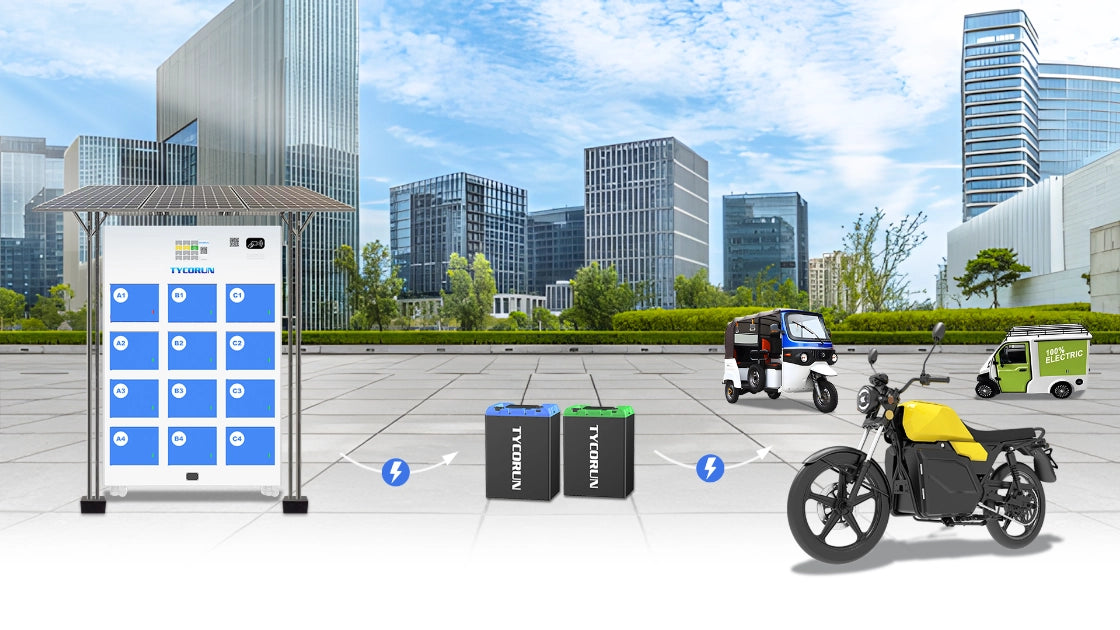
Battery swapping provides an alternative by eliminating fast charging stress altogether. Swapping systems replace batteries instantly and charge them slowly inside controlled cabinets with temperature regulation and continuous monitoring. These centralized systems improve safety, maintain battery consistency, and support long-term battery health.
When should you avoid using fast charging?
- While sleeping: Overnight fast charging creates unnecessary heat for extended periods.
- In hot environments: High ambient temperatures increase thermal stress during charging.
- On very old batteries: Legacy devices often lack modern protocols to manage high power safely.
- During heavy use: Avoid fast charging while gaming on a phone or immediately after a hard e-bike ride when the battery is still hot.
Tips for preserving battery life while using rapid charging
To maintain battery health while still benefiting from fast charging, consistent charging habits and proper equipment are essential.
- Prioritize standard charging: Use slower charging for daily needs and reserve rapid charging for urgent situations.
- Follow the 80% rule: Unplug the device at around 80%, as the final 20% causes the most stress on the battery.
- Allow cooling time: Let the battery cool after use before charging, and charge in a cool, dry place.
- Use certified accessories: Always use brand-certified chargers and cables that match the device’s rated input.
Common myths about fast charging
Fast charging is often surrounded by misunderstandings that cause unnecessary concern. Clarifying these common myths helps users make better decisions about battery charging.
Myth 1: Fast charging is inherently destructive.
Reality: Fast charging becomes harmful only when thermal management is poor or when low-quality chargers are used.
Myth 2: Fast chargers “push” too much power into any device.
Reality: Smart devices regulate power intake and only draw the amount they are designed to handle through modern communication protocols.
Myth 3: Marketing claims like “2-hour charging” mean 0–100%.
Reality: These claims usually refer to charging from 0–80%, as the final 20% is intentionally slowed to protect the battery.
Conclusion
Fast charging is a controlled process designed into modern batteries. Battery damage occurs due to heat, not speed. A Battery Management System determines safety. Certified chargers protect batteries. Electric motorcycles benefit from battery swapping and controlled charging cabinets. Fast charging is a practical tool, not a battery killer.
The question does fast charging damage your battery has a clear answer: fast charging accelerates wear only when heat and control systems fail.
FAQs?
Does fast charging degrade my battery?
Yes, but only slightly. Some studies show faster degradation, such as around a 16% increase in older models. Most modern EVs with active cooling systems experience minimal long-term impact.
How often is too often?
Occasional fast charging is acceptable. Relying on fast charging for around 90% of charging needs over several years increases the rate of battery degradation.
Why does fast charging hurt the battery?
Fast charging generates high heat and high electrical current. These conditions place additional stress on battery cells and accelerate chemical aging.
Is fast charging safe for daily use?
Fast charging is not immediately destructive. However, daily use over long periods causes the battery to degrade faster than standard charging.
What are the main risks of fast charging?
The primary risk is using non-certified high-amp chargers. These chargers increase overheating risk and can create potential fire hazards.
What is the 80% Rule?
DC fast charging operates at high speed until about 80% capacity. Charging slows significantly beyond this point. Unplugging at 80% reduces heat buildup and battery stress.