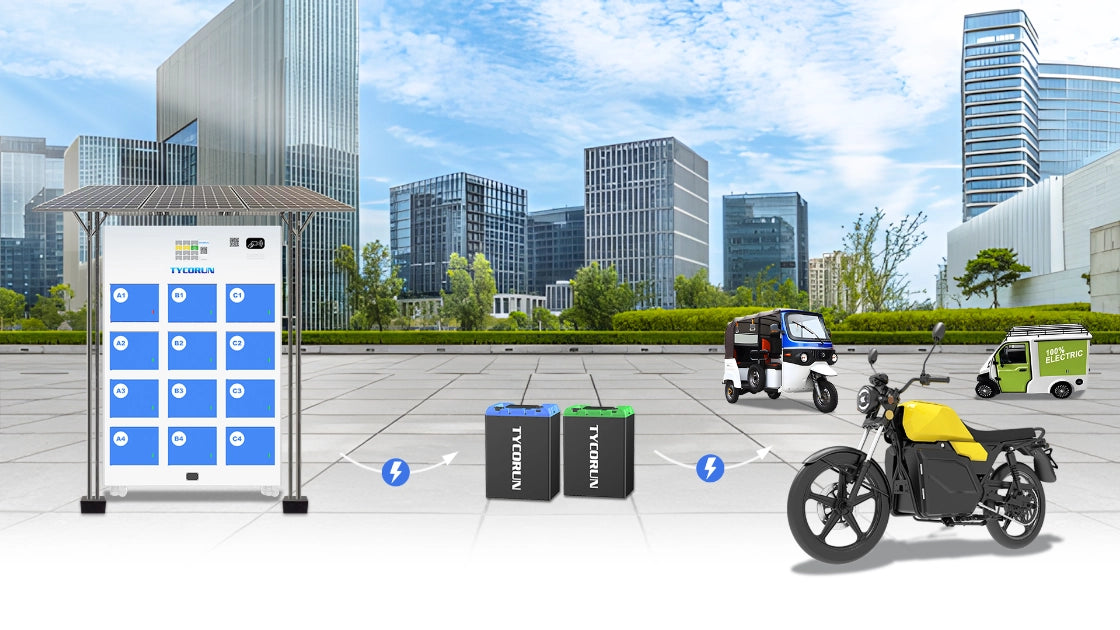

Lithium-ion batteries power smartphones, laptops, electric vehicles, and solar energy systems. But what does a lithium-ion battery look like? The short answer: it depends on the cell format and the device it powers. Li-ion cells come in three distinct physical forms — and each looks noticeably different from the others.
This guide covers every major format in plain English, with clear visual descriptions of shape, color, labels, and symbols — plus how to tell a rechargeable lithium-ion cell apart from a standard non-rechargeable lithium battery.
Key Takeaways
- Lithium-ion batteries are manufactured in three standard cell form factors — cylindrical, prismatic, and pouch — each with a distinct external appearance matched to its application.
- The internal structure of every Li-ion cell consists of four core components: an anode, a cathode, an electrolyte, and a separator, arranged in either a wound spiral or flat stacked layers.
- Cell color, label markings, and terminal style vary by format — cylindrical cells carry a printed label wrap; pouch cells are sealed silver foil; prismatic cells use rigid metal casing with terminal posts.
- A swollen, discolored, or leaking cell is a failed battery that requires immediate removal and safe disposal — continued use creates a fire and chemical exposure risk.
- Real-world devices use either individual cells or assembled battery packs — smartphones use a single pouch cell directly, while EVs and laptops use multi-cell packs with a Battery Management System (BMS).

- Key Takeaways
- What Shape Does a Lithium-Ion Battery Come In?
- Physical Appearance of a Lithium-Ion Battery
- What Does a Lithium-Ion Battery Look Like in Different Devices?
- What Color Is a Lithium-Ion Battery?
- What Are the Internal Parts of a Lithium-Ion Battery?
- Lithium-Ion Battery vs. Lithium Battery: What Is the Visual Difference?
- What Does a Damaged Lithium-Ion Battery Look Like?
- What Do the Symbols on a Lithium-Ion Battery Mean?
- How to Identify a Lithium-Ion Battery at a Glance
- Conclusion
- FAQs
- How big is a lithium-ion battery?
- Do all lithium-ion batteries look the same?
- What does a dead lithium-ion battery look like?
- Can you identify a lithium-ion battery by its label?
- What is the difference between a lithium battery and a lithium-ion battery in appearance?
- What do the symbols on a lithium-ion battery mean?
What Shape Does a Lithium-Ion Battery Come In?
Before describing each type, it helps to understand what a cell form factor means. A cell is the basic electrochemical unit of a battery — the individual building block that stores and releases energy. The form factor refers to its physical shape and size. When multiple cells are combined with a protective casing and control electronics, the result is a battery pack.
Rechargeable lithium-ion cells are produced in three standard form factors: cylindrical, prismatic, and pouch. Each has a distinct external appearance and is suited to different applications.
Cylindrical Li-Ion Cell
A cylindrical Li-ion cell looks like a large AA battery. It has a round, tube-shaped metal body made of steel or aluminum. The surface is smooth and metallic — usually silver or bare grey — wrapped in a thin heat-shrink label printed with brand name, voltage, and model number.

The top has a small raised bump: the positive terminal (+). The flat bottom is the negative terminal (−). The two most widely used formats are the 18650 (18mm diameter, 65mm length) and the 21700 (21mm diameter, 70mm length). The number in the name directly encodes the cell's dimensions.
Cylindrical cells are used both individually and in packs. Flashlights and power tools use one to a few cells directly. Laptop packs and EV modules use dozens to thousands of cells wired together.
Prismatic Li-Ion Cell
A prismatic Li-ion cell looks like a flat metal box — similar in shape to a small hardcover book. It has sharp, straight edges and a rigid outer casing of aluminum or steel. Prismatic cells are thicker and heavier than cylindrical cells of similar capacity.

On the top face, two metal terminal posts (positive and negative) and a small pressure vent are visible. The flat profile allows prismatic cells to be stacked tightly inside a battery enclosure, minimizing unused space. Prismatic cells are almost always used inside a battery pack — they are the standard format in EV modules and large energy storage systems.
Pouch Li-Ion Cell
A pouch Li-ion cell looks like a flat, sealed silver bag. Its outer layer is soft, flexible aluminum-laminated foil — not a hard metal can. The cell is thin and lightweight, with smooth rounded edges. Two flat metal tabs extend from one end as the positive and negative terminals.

Because the outer foil is flexible, pouch cells can be manufactured in almost any size or shape, making them the lightest of the three formats — but also the most vulnerable to physical damage. Smartphones use a single custom-sized pouch cell directly. Some EVs use pouch cells grouped into flat modules within a larger pack enclosure.
Important: A pouch cell that appears swollen or puffed up is not safe to use. Swelling indicates internal gas buildup from cell failure — remove and safely dispose of it immediately.
Physical Appearance of a Lithium-Ion Battery
Beyond basic shape, the physical appearance of a rechargeable lithium battery includes its printed label. How cells look when assembled into real devices is covered in the different devices section below.
What Do the Labels on a Lithium-Ion Battery Tell You?
The label on a Li-ion cell is its primary identification source. A standard label includes:
- Chemistry designation — Li-ion, LiFePO4, NMC, or LCO identifies the cathode material and cell type.
- Nominal voltage — typically 3.6V or 3.7V per cell for standard Li-ion; 3.2V per cell for LiFePO4.
- Capacity — expressed in milliamp-hours (mAh) for small cells or amp-hours (Ah) for larger packs.
- Model number — identifies the exact cell specification for replacement or cross-referencing.

Safety certification marks and transport symbols are explained in full in the battery symbols section below. Cells without recognizable certification marks carry a higher risk of early failure or thermal runaway.
What Does a Lithium-Ion Battery Look Like in Different Devices?
The appearance of a Li-ion battery changes significantly depending on its application. It is also important to understand whether a device uses individual cells directly or a battery pack — a structured assembly of multiple cells with a Battery Management System (BMS) and enclosure.
Smartphone and Tablet Batteries
Cell or pack? Single pouch cell — used directly with no additional pack structure.
A smartphone battery is one thin pouch cell cut to fit the phone chassis. Outside the device, it looks like a slim silver foil rectangle with a short connector cable or contact strip on one end. Most are adhesive-mounted and not designed for user removal.

Laptop Batteries
Cell or pack? Battery pack — multiple cylindrical cells in a plastic shell with a BMS board.
A laptop battery pack is a flat rectangular unit in a hard black or grey plastic shell designed to clip into the chassis. Inside, most packs contain rows of 18650 cylindrical cells connected by nickel strip connections and monitored by a BMS circuit board.
Electric Vehicle (EV) Battery Packs
Cell or pack? Large multi-cell pack — cells grouped into modules inside a sealed structural enclosure.

An EV battery pack is a large flat enclosure mounted beneath the vehicle floor. From the outside, it looks like a thick metal slab — aluminum or steel — with cooling pipes and bolt flanges on its edges. Inside, cylindrical, prismatic, or pouch cells are grouped into modules connected in series and parallel to reach the vehicle's target voltage and energy capacity. The pack is serviced only by trained technicians.
Electric Motorcycle Battery Packs
Cell or pack? Battery pack — compact multi-cell assembly fitted inside the motorcycle frame.
An electric motorcycle battery pack is a rectangular or irregularly shaped enclosure designed to fit inside the frame or body panels. It is typically black or silver and not visible during normal operation. Inside, most electric motorcycle packs use cylindrical or prismatic cells arranged in modules with a BMS — lighter and more compact than a car EV pack but using the same fundamental cell formats.

Power Banks and Portable Chargers
Cell or pack? Pack — cylindrical or pouch cells enclosed in a consumer-grade casing.
A power bank encloses cylindrical or pouch cells inside a plastic or aluminum casing. USB ports and LED charge indicators are visible on the exterior. The internal cells are not visible during normal use.
What Color Is a Lithium-Ion Battery?
The external color of a Li-ion cell is determined by its outer casing material or label wrap — not by internal chemistry. Color varies by cell format, brand, and application.
Cylindrical Cell Colors
Cylindrical cells are most commonly wrapped in blue, green, black, or grey heat-shrink sleeves carrying printed specification text. Beneath the sleeve, the metal can is bare silver or steel-grey. Some brands use consistent colors: Samsung SDI cells are commonly blue, LG Chem cells are often green or pink, and Panasonic/Sanyo cells typically use green or grey sleeves.
Prismatic Cell Colors
Prismatic cells have a matte silver or light grey aluminum outer casing. The surface is plain except for a specification label on one face. Terminal posts on the top face are bare silver metal.
Pouch Cell Colors
Pouch cells have a uniform dull silver or metallic grey outer foil. When examined outside of a device, the foil surface is the primary visual identifier — smooth, slightly flexible, and metallic silver.
Battery Pack Colors
Assembled packs use enclosure colors matched to their application. Laptop packs are typically black or dark grey plastic. EV pack enclosures are unpainted silver or black-coated aluminum or steel. Home energy storage units are most commonly white or light grey with colored brand panels on the front face.
What Are the Internal Parts of a Lithium-Ion Battery?
The outer casing is a protective shell. Inside, all Li-ion cells share the same four core components regardless of external shape.
| Internal Part | Function | Visual Appearance |
|---|---|---|
| Anode (negative electrode) | Stores lithium ions when charged; releases them during discharge | Dark grey or black graphite material |
| Cathode (positive electrode) | Source of lithium ions; determines voltage and capacity | Dark layered metal oxide material |
| Electrolyte | Carries lithium ions between anode and cathode | Clear or slightly yellow liquid or gel |
| Separator | Keeps anode and cathode apart while allowing ion flow | Thin white translucent plastic film |
| Current collectors | Conduct electrical current to the external circuit | Copper foil (anode side), aluminum foil (cathode side) |
How Are the Layers Arranged Inside?
In cylindrical cells, the internal layers are wound tightly into a spiral called a jelly roll and placed inside the metal tube. In prismatic and pouch cells, the layers are stacked flat on top of each other — like pages in a book — producing their characteristic flat shape.
Is It Safe to Open a Li-Ion Cell?
No. Cutting, puncturing, or disassembling a rechargeable lithium battery exposes the user to flammable, toxic electrolyte vapors and creates a serious fire and chemical hazard. Battery engineers examine internal structures using X-ray CT scanning and electron microscopy — methods that inspect cells without physically opening them.
Lithium-Ion Battery vs. Lithium Battery: What Is the Visual Difference?
The terms "lithium battery" and "lithium-ion battery" are often used interchangeably, but they describe two different cell types with different visual characteristics and uses.
A lithium battery (lithium primary cell) is non-rechargeable. Common examples include CR2032 coin cells, AA-sized lithium cells such as Energizer Ultimate Lithium, and CR123A cylinders used in cameras. Attempting to recharge a primary lithium cell is a fire risk.
A lithium-ion battery is a rechargeable cell using a lithium compound cathode with a graphite anode — found in smartphones, laptops, EVs, and power tools. From the outside, both types can look nearly identical, especially in cylindrical format. The label is the only reliable way to distinguish them.
How to Tell Them Apart by Label
| Feature | Lithium Battery (Primary) | Lithium-Ion Battery (Secondary) |
|---|---|---|
| Label text | "Lithium" or "Li" — no "ion" | "Li-ion", "Lithium-Ion", "Li-Ion" |
| Rechargeable marking | No rechargeable symbol | Rechargeable symbol (circular arrows) |
| Nominal voltage | 3.0V per cell (most formats) | 3.6V or 3.7V per cell (standard Li-ion) |
| Common formats | CR2032 coin, AA (FR6), CR123A cylinder | 18650, 21700 cylinder; pouch; prismatic |
| UN transport marking | UN 3090 | UN 3480 |
If a label does not clearly state "Li-ion" or "Lithium-Ion" and shows no rechargeable symbol, the cell is likely a primary lithium battery. Using a non-rechargeable cell in a device designed for Li-ion — or vice versa — causes damage or creates a safety hazard.
What Does a Damaged Lithium-Ion Battery Look Like?
The physical appearance of a Li-ion cell is a direct indicator of its condition. Several visual signs point to internal failure and require immediate action.

Visual Signs of a Damaged Cell
- Swelling or bloating — visible expansion of the casing or foil; indicates internal gas buildup from electrolyte decomposition.
- Discoloration — brown, black, or scorch marks on the surface; indicates a thermal event or internal short circuit.
- Electrolyte leakage — wet, oily, or crystalline residue around the cell; indicates a breach in the outer casing.
- Physical deformation — bent, crushed, or dented casing; may compromise the separator and create a short circuit risk.
- Corrosion on terminals — white, green, or brown deposits on metal contacts; impairs electrical connection and indicates moisture exposure.
Is a Swollen Battery Dangerous?
Yes. A swollen cell is a failed battery. Internal gas buildup from electrolyte decomposition creates pressure that distorts the casing. A swollen cell carries a risk of thermal runaway — a self-sustaining exothermic reaction that can result in fire or explosion. Such a battery must not be charged, used, or transported without proper containment. Safe disposal through a certified hazardous waste or electronics recycling program is required.
What Do the Symbols on a Lithium-Ion Battery Mean?
Li-ion cells carry printed symbols beyond just voltage and capacity. These communicate safety, transport, recycling, and chemistry information — helping users identify and handle cells correctly.
Common Symbols Found on Li-Ion Batteries
| Symbol | Meaning | Where It Appears |
|---|---|---|
| Li-ion | Identifies the cell as a rechargeable lithium-ion battery | All Li-ion cells and packs |
| Circular arrows (♻) | Rechargeable battery — do not dispose of in general waste | Most consumer Li-ion cells |
| Crossed-out wheelie bin (WEEE) | Must be recycled separately — not for household bin disposal | All batteries sold in EU and many other markets |
| UN 3480 | UN transport code for lithium-ion cells; required on shipping packaging | Shipping labels and battery pack labels |
| UN 3481 | UN transport code for Li-ion batteries packed with or inside equipment | Shipping labels for devices with built-in batteries |
| + and − | Positive and negative terminal markers | All cell formats; critical for correct installation |
| CE mark | Conformity with EU safety, health, and environmental standards — learn more at the European Commission | Batteries sold in the European market |
| UL mark | Safety certification from Underwriters Laboratories (North America) | Consumer batteries sold in the US and Canada |
| IEC 62133 | International safety standard for portable sealed rechargeable cells — published by the IEC | Battery packs tested for international markets |
A label carrying UN transport markings, a WEEE symbol, and a recognized safety certification (UL, CE, or IEC 62133) is a reliable indicator that the cell meets international handling, transport, and disposal requirements.
How to Identify a Lithium-Ion Battery at a Glance
Not sure whether the cell in front of you is a rechargeable lithium-ion type? Use these three quick checks:
- Check the label text. A rechargeable lithium battery cell carries "Li-ion," "Lithium-Ion," or a chemistry code such as NMC, LFP, or LCO. A label reading only "Lithium" or "Alkaline" is not a Li-ion cell.
- Check the voltage. Standard Li-ion cells are rated 3.6V or 3.7V. LiFePO4 cells read 3.2V. A cell marked 1.5V is alkaline; one marked 3.0V is likely a primary lithium cell. Neither is rechargeable Li-ion.
- Check the shape and terminals. Cylindrical Li-ion cells have a raised positive cap and flat negative base. Pouch cells have flat metal tabs on one end. Prismatic cells have threaded terminal posts on the top face. A coin-shaped cell like a CR2032 is a lithium primary — not Li-ion.
If all three checks match — "Li-ion" label, 3.6–3.7V nominal, correct terminal style — the cell is a standard rechargeable lithium-ion battery.
Conclusion
What does a lithium-ion battery look like? The answer depends on the cell form factor. Cylindrical Li-ion cells look like large AA batteries with a round metal tube body. Prismatic cells look like flat, rigid metal boxes. Pouch cells look like thin, sealed silver bags with flat terminal tabs on one end.
In real devices, some applications — like smartphones — use a single cell directly, while others — laptops, EVs, and electric motorcycles — use multi-cell packs with a Battery Management System. Recognizing these differences, reading labels correctly, and spotting visual damage signs such as swelling, discoloration, or leakage are practical skills that support safe battery handling across all applications.
FAQs
How big is a lithium-ion battery?
Lithium-ion battery size depends on the battery format. A common cylindrical 18650 cell measures about 18 mm in diameter and 65 mm in height. Smartphone pouch batteries are typically 3–5 mm thick and 50–70 mm wide. Electric vehicle battery packs can exceed 1.5 meters in length and weigh several hundred kilograms.
Do all lithium-ion batteries look the same?
No. Lithium-ion batteries are manufactured in three main shapes: cylindrical, prismatic, and pouch. Each shape includes many different sizes depending on the device and manufacturer. The most consistent visual feature is the printed label, which shows the battery chemistry, voltage, and capacity.
What does a dead lithium-ion battery look like?
A dead lithium-ion battery usually looks identical to a functioning battery from the outside. Capacity loss caused by aging is not visible through simple visual inspection. Internal degradation such as lithium plating or electrode damage requires specialized testing to detect.
Can you identify a lithium-ion battery by its label?
Yes. The battery label typically lists the chemistry type such as Li-ion, LiFePO4, or NMC, along with the nominal voltage, capacity, model number, and safety certifications. Batteries without clear labeling are harder to identify and may present compatibility or safety risks.
What is the difference between a lithium battery and a lithium-ion battery in appearance?
Lithium primary batteries and lithium-ion rechargeable batteries can look very similar externally, especially in cylindrical form. The label provides the key difference. Lithium-ion batteries display “Li-ion” or “Lithium-Ion” and indicate rechargeability, while primary lithium batteries are labeled simply “Lithium” and are not rechargeable. Lithium primary cells are typically rated at 3.0 V, while lithium-ion cells are usually rated at 3.6 V or 3.7 V.
What do the symbols on a lithium-ion battery mean?
Common lithium-ion battery symbols include the crossed-out wheeled bin indicating the battery should not be disposed of in household waste, recycling arrows indicating rechargeable batteries, UN 3480 transport codes for lithium-ion cells, and safety certification marks such as UL or CE. The + and − symbols identify the positive and negative battery terminals.